Posts

Showing posts with the label FAA regulations

Drone Tips, Test Flights and Maintenance Logs - 007
Image
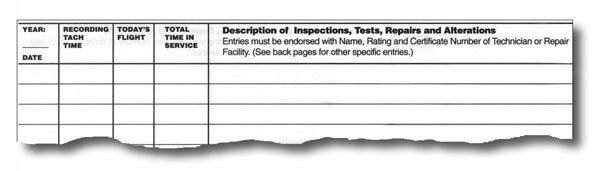
  I’ve been having a frustrating experience with the battery situation on my drone and decided to buy an external battery carrier mount. The motive was to get away from the standard, and expensive, battery and go to the generic variety with higher output. There are some tried and true best practices that come with test flying a drone. A test flight isn’t just for R&D, it’s for the “return to service,” as the FAA says, after maintenance or modification. The motive is to exercise an extra bit of safety, imagine the alternative, showing up on a busy video shoot with an “unproven” aircraft so to speak.  S ource: Example of manned aircraft maintenance logbook, Ebay. com The majority of the best practices are common sense, but a famous person once said, “common sense isn’t so common.” Admittingly I suffered from swapping out parts and going on a regular flight, not good. The best advice is to keep the flight reality close, at a safe distance, low to the ground in-case something ...
Why I Don't Recommend LAANC - 003 (Updated July 23, 2023)

Image
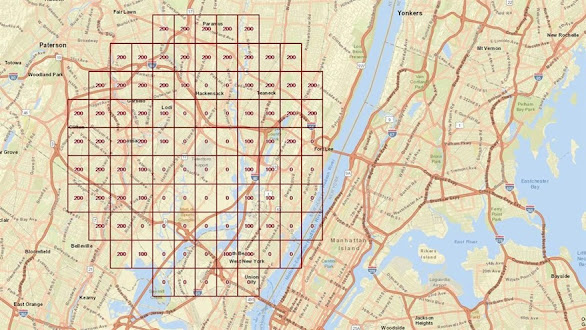
Don't get me wrong Low Altitude Authorization and Notification Capability (LAANC) is a great tool as it allows for much quicker access to air traffic controlled airspace. In the past the process for getting access required submitting a waiver, which could take up to 90 days to process. However, I don’t recommend this for every pilot.  Sadly, according to a Drone XL article only 20 to 30 percent of drone pilots are complying, or using, LAANC according to an Aloft company study, in ATC controlled airspace when they should be using the app. In other words, there are 70 to 80 percent of the drone pilots violating ATC controlled airspace. Source: interdrone, LAANC example What is LAANC and how does it work? As you know, airspace that is controlled by Air Traffic Control (ATC), Class B, C, D and sometimes surface based E airspace requires ATC approval. Approvals in the past were not efficient thus a new system called LAANC was developed to give drone pilots quicker and more extensive acc...

Choosing a Take Off and Landing Zone - 001

Image
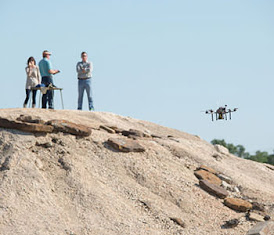
Debriefing is an important thing to do after every flight mission no matter how easy the job. I’m always learning new things from not only myself but my team after a mission. Our debriefings are categorized under two topics; what we did right and what we can do better. While we don’t always have this luxury, one of the big take-aways on a recent flight was the importance of spending time at the proposed LZ well before the mission to evaluate the environment. Source: FAA Safety Team and NASA I was shooting video at the beach, not on the beach but at a large inlet waterway with a scenic bridge, a very nice setting to say the least. The Visual Observer and I had scoped out the area earlier in the day and found a good LZ, a turn-off area just before the bridge. This was perfect for parking with a good amount of space for the drone to take-off and land. The idea was to get a video of the inlet at sunset (a good time to remember the :30 minutes after civil twilight regulation).  Since it...